INNOVATION
Federal Backing Drives Surge in US Battery Recycling
Blue Whale Materials expands its Oklahoma plant to hit 20,000 tons per year by 2026, targeting a massive domestic circular supply chain
26 Jun 2026
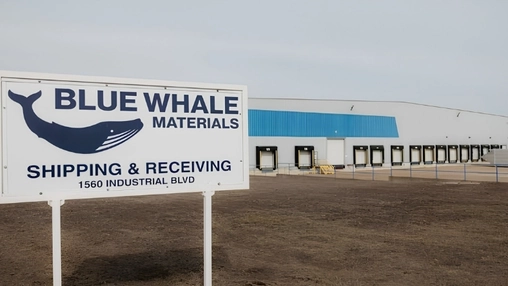
A major expansion of domestic battery recycling capacity is underway in Bartlesville, Oklahoma, as Blue Whale Materials scales its lithium-ion processing facility. Backed by a $55 million Department of Energy grant, the company plans to push its current 14,000-ton-per-year baseline past 20,000 tons by the second quarter of 2026. The initial phase will add new processing lines and expanded testing capabilities for second-life batteries.
The long-term strategy targets a capacity of 50,000 tons per year by 2029. Reaching this milestone would place the Oklahoma facility among the largest battery recycling operations in the United States. The expansion aligns with broader federal efforts to reduce reliance on foreign supply chains for critical minerals, an objective that has maintained bipartisan support in Washington.
David Fauvre, Co-Founder and Chief Strategy Officer, framed the expansion in terms of partnership and scale. "The expansion will enable us to serve more partners, increase recovery volumes and accelerate the circular supply chain for lithium-ion batteries," he said.
The upgrade targets manufacturers, automakers, and grid-storage operators requiring predictable, domestic access to raw materials. By introducing advanced testing, the facility can identify and route batteries suitable for second-life use before full processing occurs. Industry analysts note this staging can improve economic efficiency and help manage costs across the electric vehicle and energy storage sectors.
As capital flows into domestic processing, the Bartlesville project highlights a maturing recycling sector. The facility aims to scale alongside growing battery deployment, though its long-term integration depends on steady feedstock volumes from the automotive and energy industries through the end of the decade.
Related News


topics on the agenda
TRANSLATING EOL BATTERY REGULATIONS INTO PRACTICAL MARKET EXECUTION
Day 1: WEDNESDAY, 28 OCTOBER, 2026
09:00 - 09:25
NON-EU BESS MANUFACTURER VIEW ON EPR AND BATTERY CIRCULARITY
Day 1: WEDNESDAY, 28 OCTOBER, 2026
09:30 - 09:55
BUILDING A CIRCULAR BATTERY VALUE CHAIN WITHIN EUROPE
Day 1: WEDNESDAY, 28 OCTOBER, 2026
11:30 - 11:55
SUBSCRIBE FOR UPDATES
By submitting, you agree to receive email communications from the event organizers, including upcoming promotions and discounted tickets, news, and access to related events.