RESEARCH
Spent Batteries Find a Second Life at Cornell
Cornell's DEER process restores spent lithium-ion batteries to 95% capacity without shredding, slashing recycling costs by 56%
19 Jun 2026
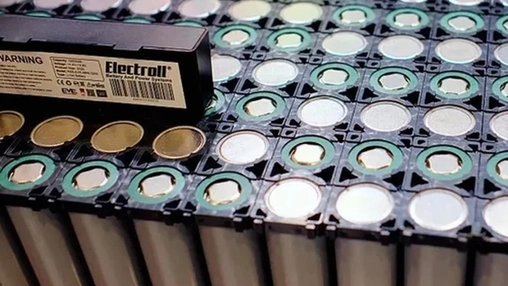
Spent lithium-ion batteries are, by most industrial measures, a problem best handed to someone else. Smelters burn them. Chemical plants dissolve them. Both approaches are expensive, polluting, and increasingly inadequate for a world adding electric vehicles faster than it can dispose of them.
Researchers at Cornell University think they have found a cleaner path. Published in Energy and Environmental Science on June 9th, 2026, their Direct Electrode-to-Electrode Regeneration process, known as DEER, skips the shredding and the acid baths entirely. Spent electrodes are submerged in an electrochemical bath, which drives lithium ions back into depleted cathode materials. Researcher Kalra described the result plainly: "The dissolution is basically what helps the battery recover its capacity. It shows 95 percent recovery. So we are shortening the circularity loop immensely." Argonne National Laboratory supported elements of the research.
Against conventional methods, DEER cuts manufacturing costs by 56% while reducing air pollution and water consumption. For battery-dependent industries strained by a decade of rapid EV adoption, that combination is notable. Existing recycling infrastructure routes materials through energy-intensive processes that generate toxic byproducts; DEER sidesteps both, and could plausibly be deployed regionally rather than through sprawling global supply chains. Recovering critical minerals closer to where batteries die compresses logistics costs and reduces exposure to geopolitical disruption.
Consumers may eventually feel the effects too. Lower recovery costs put downward pressure on battery prices across EVs, consumer electronics, and grid storage. Faster turnaround from end-of-life to reuse shortens the loop further. Regulatory pressure on battery stewardship is already tightening across North America and Europe. Whether DEER can scale to meet that pressure remains to be seen, but the direction it points is clear: recycling as a cost advantage rather than a compliance burden.
Related News


SUBSCRIBE FOR UPDATES
By submitting, you agree to receive email communications from the event organizers, including upcoming promotions and discounted tickets, news, and access to related events.